This is the practical checklist your home should’ve come with: what to check in your first 30 days, what to do monthly, what to inspect seasonally, and how to budget — so small issues don’t become expensive “surprises.”
Quick answer
In your first month, focus on the “high-risk” basics: water leaks, drainage, electrical safety, and roof/gutter flow. Then follow a simple monthly rhythm (10–30 minutes) and do seasonal checks timed to South African weather (storm prep, gutters, exterior wear, geyser attention). Pair the checklist with a small repair buffer so urgent breakdowns don’t force rushed decisions — the classic “panic premium.”
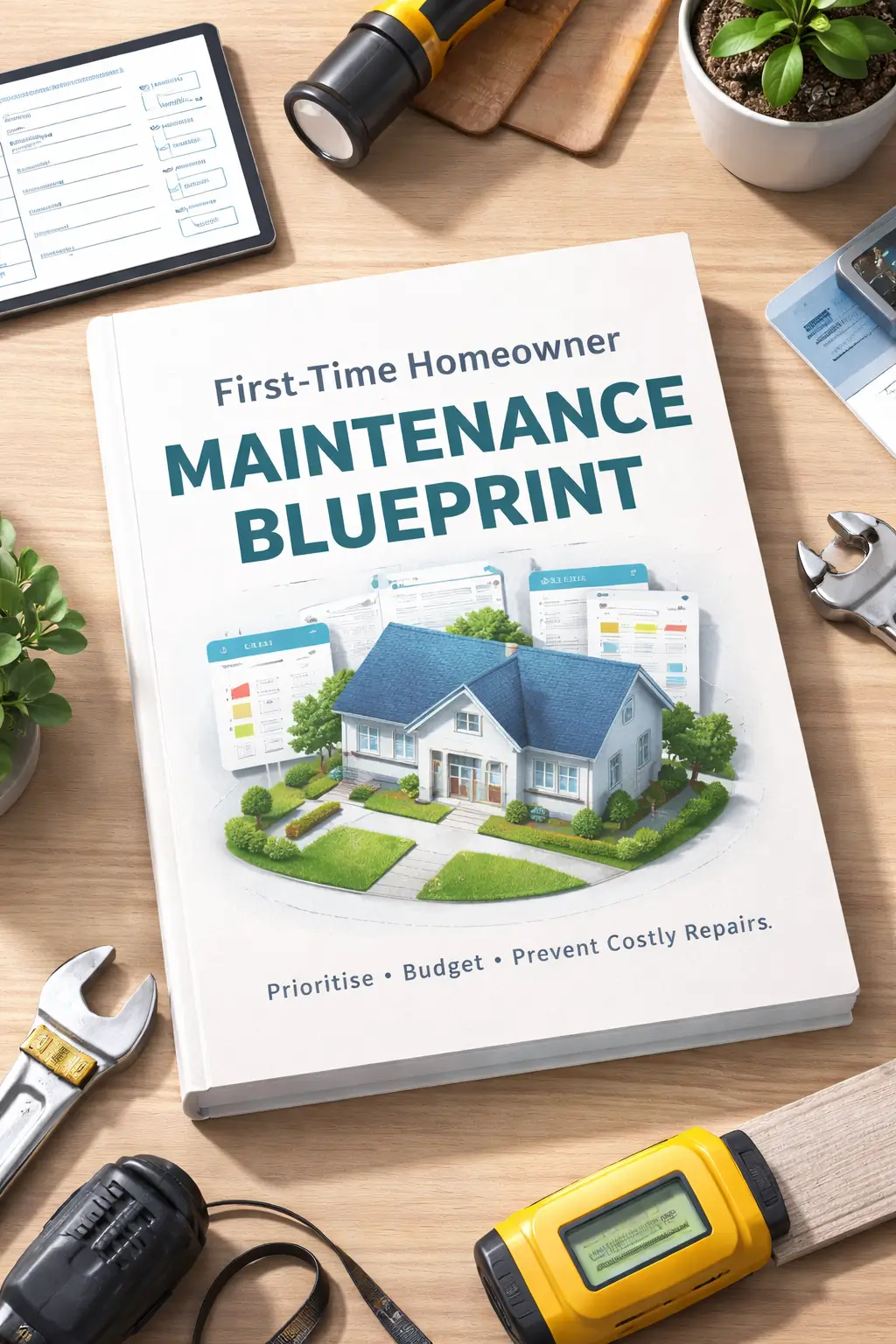
Best first-year focus areas
Water • Drainage • Electrical safety • Gutters
Ideal rhythm
10–30 minutes monthly + seasonal checks
A calm system that prevents expensive surprises.
Created by a South African homeowner who prefers prevention over panic.
If you only read one thing: start with the first 30 days. That’s where most first-year savings come from.
1) First 30 days (move-in checks)
High-risk items: water, drainage, electrical, roof/gutters, safety.
Jump to section →
2) Monthly checklist (10–30 minutes)
The repeatable rhythm that prevents “surprise repairs.”
Jump to section →
3) Seasonal checks (SA weather timing)
Storm prep, gutters, exterior wear, pests, damp.
Jump to section →
4) Budgeting for repairs (avoid panic)
A simple repair buffer so urgent issues don’t force rushed decisions.
Jump to section →
Want this in a printable format?
If you prefer a clean printable checklist PDF (monthly + seasonal tick-list), you can grab it here: New Homeowner Checklist PDF. For a structured month-by-month first-year plan, see the Blueprint.
The first month is where most first-year homeowners either gain control — or start paying the panic premium. Prioritise checks that prevent water damage, electrical issues, and drainage problems. In many South African homes, these are the most common “silent” cost multipliers.
Water (high priority)
Goal: catch small leaks before they become ceiling repairs or mould problems.
Drainage + gutters (high ROI)
Goal: prevent water ingress and rising damp — the quiet budget killers.
Electrical safety (don’t skip)
Goal: reduce fire risk and avoid expensive emergency call-outs.
Roof + exterior scan (fast, powerful)
Goal: catch storm vulnerabilities before the first big rainfall.
If you live in an estate / sectional title
You’re still responsible for a lot of “inside” issues (leaks, taps, drains, small electrical fixes) even if the body corporate handles exterior items. Keep your own checklist so you can report issues early with clear evidence and dates.
Monthly maintenance isn’t about doing “everything.” It’s about repeating a small set of high-signal checks so you notice changes early. This prevents the two most expensive patterns: ignored leaks and delayed drainage issues.
| Category | What to check | Time | Why it matters |
|---|---|---|---|
| Water | Under sinks, toilets, shower seals, geyser area/tray (if accessible), damp patches | 5–10 min | Leaks multiply costs fast (ceilings, cupboards, mould, flooring) |
| Drainage | Outside drains clear, downpipes flowing, water moves away from walls | 10–15 min | Prevents rising damp, wall staining, and storm-time flooding |
| Electrical | Loose plugs, overloaded multiplugs, exterior lights, obvious damage | 5–10 min | Small issues become expensive faults (and safety risks) |
| Safety | Smoke alarm test (if installed), extinguisher gauge, gate/locks | 5 min | Quick checks reduce risk and keep systems functional |
| Exterior | Cracks that grew, door/window sticking, visible seal wear | 5–10 min | You catch movement and water entry early |
Monthly rule #1
If you notice something changed, write it down. Tracking beats memory.
Monthly rule #2
Fix “easy wins” now: tighten, clear, seal, replace a washer — before it escalates.
Monthly rule #3
One deeper task per month is enough. Consistency beats a once-a-year panic weekend.
Want the full monthly + seasonal sequence?
If you want a clear “what to do this month” plan for your first year, the First-Year Maintenance Blueprint gives you the month-by-month structure plus priorities and budgeting prompts.
Seasonal maintenance is where first-time homeowners win. You’re basically doing “storm-proofing” and “wear-proofing” on a schedule. South Africa varies a lot (Highveld storms vs coastal salt air), but the principle stays the same: time checks to the conditions that stress your home most.
Summer / storm season prep
Highveld note: storms expose weak drainage fast — make this your priority cycle.
Autumn (pre-winter checks)
Goal: reduce winter damp issues and avoid “sudden” repairs.
Winter (water + geyser attention)
If geysers stress you out, build a “check + buffer” habit — it pays off.
Spring (reset + exterior inspection)
Spring is where you set yourself up for a calm summer.
Coastal vs inland (quick guide)
Coastal homes should watch for corrosion on metal fixings, gates, and exterior hardware. Inland homes often feel storms and hail more. Either way: gutters + drainage + exterior seals are the repeating “big three.”
For a structured seasonal schedule in one place, see: Home Maintenance Schedule.
The first year isn’t just maintenance — it’s “learning your home.” You’re building a baseline: what’s normal, what changes, what fails early, and what you can prevent with small consistent checks.
Baseline your systems
Know where shut-offs are, how drainage flows, and what “normal” looks like for your home.
Track issues early
A photo + date beats memory. It also makes contractor quotes easier to compare.
Build the repair buffer
Even a small monthly amount reduces the “panic premium” when something breaks.
If you want a clear 12-month plan
The first-year plan is easier when the order is decided for you. See the First-Year Home Maintenance Plan or the full Blueprint.
Here’s the calm truth: homes cost money. What hurts isn’t the cost — it’s the timing. A small monthly buffer gives you options: you can shop around, compare quotes, and fix issues early instead of paying “urgent rates.”
Start small (but consistent)
Pick a monthly amount you can sustain. Consistency matters more than a perfect number.
Separate “buffer” from “upgrades”
Buffers are for repairs and prevention. Upgrades are optional. Mixing them causes stress.
Use prompts, not guilt
The goal is fewer emergencies — not perfection. Progress beats panic.
A simple budgeting approach
If you’re unsure what to set aside, start with a small monthly “maintenance buffer” and increase it when you can. Pair it with your checklist so you’re spending money intentionally (prevention) instead of emotionally (panic).
If you want budgeting prompts built into a month-by-month plan, the Blueprint includes the structure so you don’t have to guess.
Start free, then choose the level of structure you want. The goal stays the same: prevention over panic.
Fast answers to common first-year homeowner questions in South Africa.
Start with high-risk basics: water leaks (under sinks/toilets/geyser area), drainage flow (outside drains + gutters), electrical safety (DB board awareness and obvious hazards), then do a quick roof/exterior scan. These are the checks most likely to prevent expensive “surprise repairs.”
Use a simple monthly rhythm (10–30 minutes) for high-signal checks, then do seasonal inspections timed to your local weather. Consistency beats occasional “big” maintenance weekends.
Yes. It’s written for South African homeowner realities: storm seasons, common home systems (including geysers), and practical budgeting habits. The principles are universal, but the timing and examples are SA-first.
There’s no single number for every home. The calmer approach is to set a consistent monthly maintenance buffer (even small), then adjust as you learn your home. The goal is to avoid urgent decisions and “panic premium” pricing.
Yes. You’re still responsible for many internal checks and early reporting. Use the checklist to spot issues early, document them with dates/photos, and report clearly to the body corporate or landlord.
Start with water + drainage + electrical safety. Do one pass this week, then start the monthly rhythm. Progress beats perfection — the point is to prevent future emergencies.
Next step
If you want a structured month-by-month plan for your first year, start here: First-Year Maintenance Blueprint.